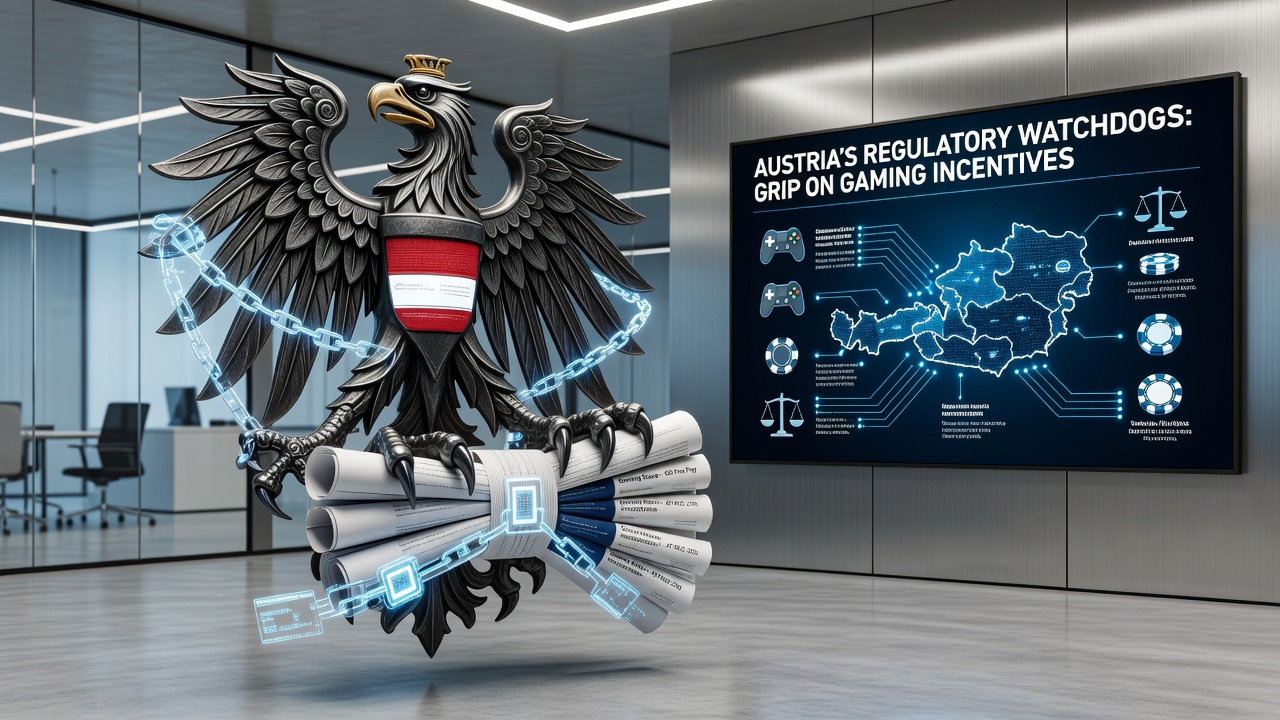
The Dynamics of Regulation in Austria's Gaming Incentive Programs
Regulatory authorities in Austria maintain structured oversight over incentive mechanisms within the gambling sector, applying rules that shape how operators design and distribute rewards to participants. These entities operate under federal frameworks that require licensing, compliance reporting, and periodic audits, while data from sector reviews indicate consistent monitoring of promotional activities across online and land-based platforms.
Multiple agencies coordinate their efforts, including divisions within the Federal Ministry of Finance and specialized bodies handling gambling concessions. Their combined approach focuses on transparency requirements, player protection standards, and restrictions on certain types of incentive structures that could influence participation rates. Reports compiled through 2025 show these organizations reviewing thousands of promotional filings annually, with particular attention to cross-border offerings and digital reward systems.
Core Mechanisms of Supervision
Supervisory processes begin with mandatory pre-approval for many incentive campaigns, which forces operators to submit detailed plans covering eligibility criteria, payout conditions, and promotional language. Agencies evaluate these submissions against existing statutes that limit maximum bonus values and mandate clear disclosure of wagering requirements. When violations surface, enforcement actions range from corrective orders to financial penalties, and records indicate several such interventions took place in the first half of 2026.
Monitoring extends beyond initial approvals through ongoing data collection and market surveillance. Regulators track player engagement metrics, complaint volumes, and operator revenue patterns to identify emerging risks associated with aggressive incentive strategies. This continuous review allows authorities to adjust guidelines quickly, as demonstrated by updated circulars issued in late summer 2026 that refined rules around loyalty program structures.
Recent Developments Through October 2026
By October 2026, Austrian regulators had introduced enhanced digital reporting tools that streamline how operators submit incentive performance data. These systems enable faster identification of patterns that might indicate non-compliance, such as unusually high redemption rates or targeting of specific demographic groups. Industry observers note that the new platforms reduced average review times by several weeks compared with earlier manual processes.
Coordination with European Union counterparts also intensified during this period, allowing Austrian agencies to align certain standards with broader directives on consumer safeguards while retaining national control over licensing decisions. Joint workshops held in Vienna during September 2026 focused on cross-jurisdictional incentive schemes, producing shared guidance documents that operators must now reference when launching multi-country promotions.
Impact on Operator Practices
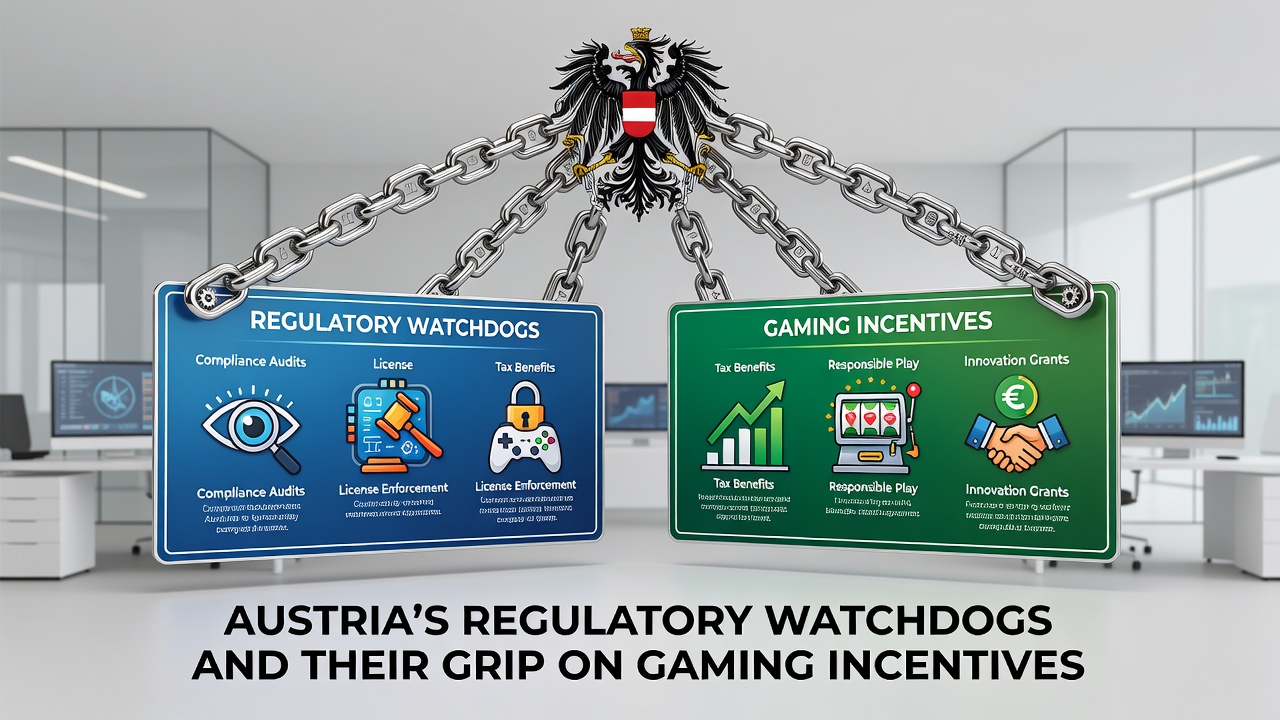
Operators respond to these oversight structures by embedding compliance teams within their marketing departments and investing in automated tracking software that flags potential rule breaches before campaigns launch. Data compiled by sector associations reveal that average compliance spending among licensed Austrian platforms rose steadily between 2023 and 2026, reflecting the increasing complexity of regulatory expectations around incentive design.
Smaller operators sometimes partner with specialized legal consultants to navigate approval processes, while larger groups maintain dedicated regulatory affairs units. Both approaches aim to minimize delays that could affect seasonal promotions or competitive positioning against unlicensed offshore sites. Case examples from 2025 show several firms revising their entire reward catalog after receiving preliminary feedback from regulators, illustrating the practical reach of supervisory authority.
Comparative Perspectives from Other Jurisdictions
Austrian practices share common elements with oversight models used in other regulated markets. For instance, Canadian provincial regulators employ similar pre-approval requirements for promotional offers, and Australian state authorities maintain detailed reporting on player reward programs. These parallels allow Austrian agencies to draw on international experience when refining their own procedures, although local statutes continue to reflect specific national priorities around consumer protection and market stability.
Research institutions such as those affiliated with the OECD have published comparative analyses that highlight how different countries balance incentive flexibility with regulatory safeguards. Austrian officials have referenced these studies during policy consultations, particularly when evaluating potential adjustments to maximum bonus thresholds or disclosure formats.
Conclusion
Austria's regulatory framework for gaming incentives continues to evolve through coordinated agency actions, updated reporting systems, and alignment with broader European standards. The mechanisms in place emphasize pre-approval, ongoing surveillance, and enforcement that collectively shape how operators structure rewards for participants. As of October 2026, these processes remain central to maintaining order within the licensed sector while adapting to technological and market changes.