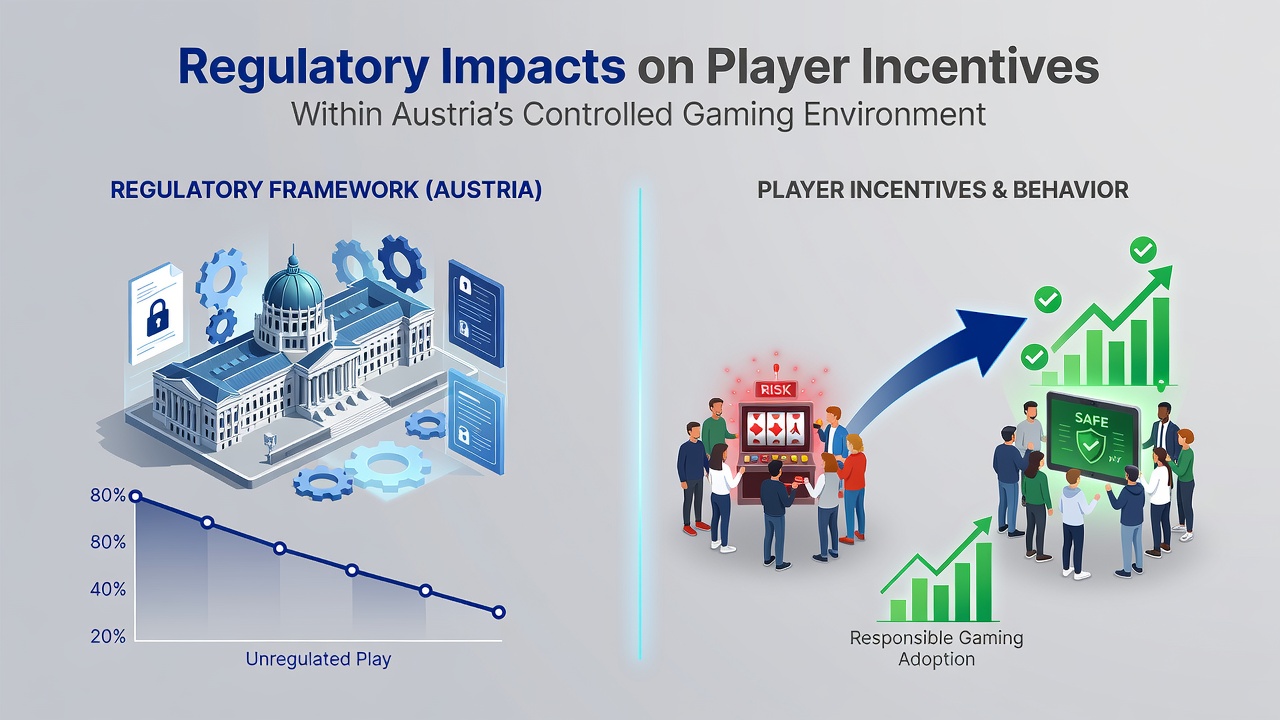
Oversight Mechanisms Shaping Incentive Dynamics in Austria's Regulated Gambling Sector
Austria maintains one of Europe's most structured approaches to gambling oversight through the Glücksspielgesetz which establishes clear boundaries for operators and shapes how player incentives function within licensed environments and this framework creates direct effects on bonus structures, reward programs, and promotional activities that companies can offer to participants.
Regulatory bodies enforce limits on welcome bonuses, ongoing promotions, and loyalty rewards to align with responsible gaming standards and data from recent compliance reports indicate that these rules have led to standardized incentive models across casinos, sports betting platforms, and slot venues operating under national licenses.
Core Regulatory Provisions Governing Incentives
The Austrian system requires operators to obtain specific approvals for any promotional material which includes detailed reviews of bonus terms, wagering requirements, and payout conditions and this process ensures that incentives do not encourage excessive play while still allowing operators to attract and retain customers within defined parameters.
Authorities monitor maximum bonus amounts, minimum deposit thresholds, and time-based restrictions that apply to various game types and research indicates that such measures have produced more transparent reward systems where players receive clear information about eligibility and redemption processes.
Effects on Player Behavior and Engagement Patterns
Studies conducted by European research institutions show that regulated incentives in Austria correlate with steadier participation rates rather than sharp spikes associated with unrestricted promotions and observers note that players often engage more consistently when bonus structures include built-in responsible gaming features such as loss limits and session reminders.
One analysis from an academic team at a Canadian university highlighted how similar oversight models in controlled markets lead to higher retention over longer periods because incentives emphasize skill-based rewards and loyalty milestones instead of high-volume deposit matches and these patterns appear consistent with trends observed in Austria's licensed sector.
Recent Developments and Data Trends Through 2026
Updates to licensing conditions scheduled for review in October 2026 focus on digital incentive tracking systems that operators must implement to report real-time bonus usage and this requirement aims to provide regulators with better visibility into how rewards influence player activity across different demographic groups.
Figures released by the Austrian Ministry of Finance reveal gradual shifts in average bonus redemption rates following previous regulatory tightenings and these statistics demonstrate that controlled environments maintain stable engagement levels while reducing instances of problem gambling linked to aggressive promotional tactics.
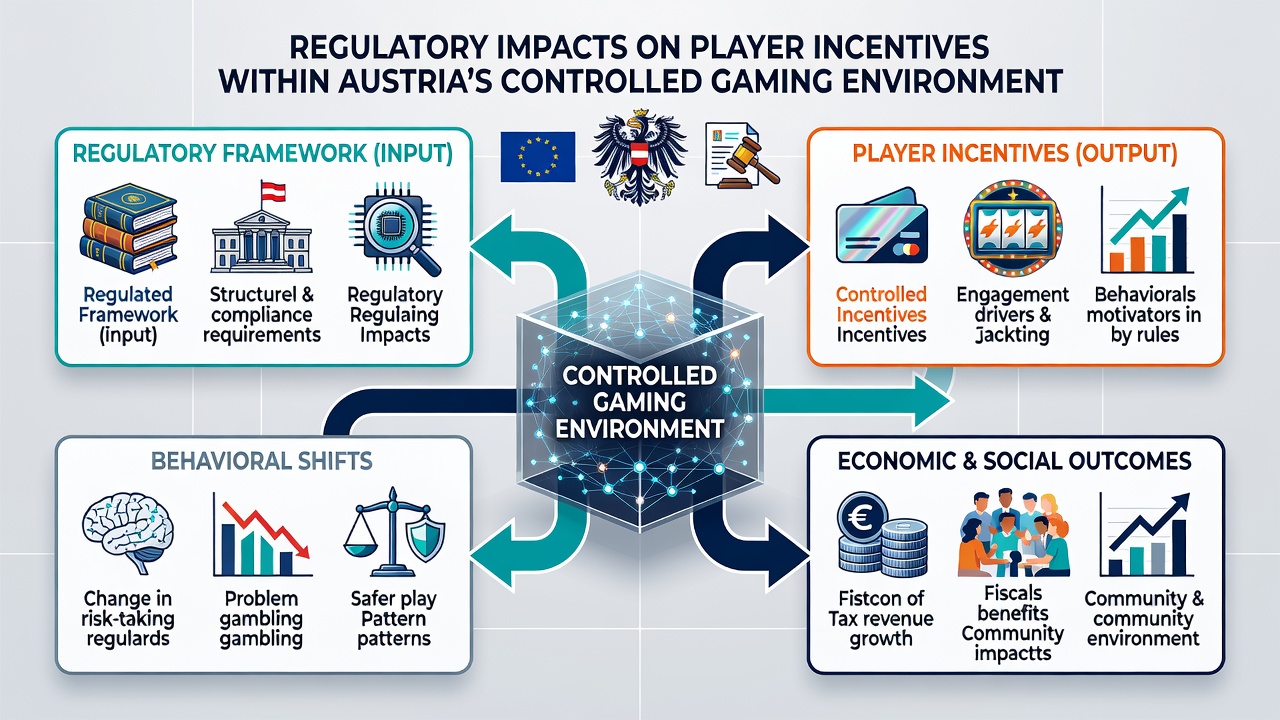
Industry reports from Australian gaming associations further support observations that structured regulatory approaches produce predictable outcomes in player incentive usage and comparisons between markets show Austria's model emphasizes verification steps that slow down immediate reward access but improve long-term compliance.
Industry Adaptations and Operational Adjustments
Operators within Austria have responded by developing incentive programs centered on non-monetary rewards such as exclusive event access and personalized game recommendations that still fit within regulatory guidelines and this shift allows companies to maintain competitive edges without violating caps on cash-based bonuses.
Those who track market movements point out that licensed platforms increasingly integrate educational components into their reward systems which inform players about responsible play practices while delivering incentives and this approach aligns with broader European Union directives on consumer protection in gambling services.
Conclusion
Regulatory impacts on player incentives in Austria continue to evolve through ongoing oversight that balances operator needs with consumer safeguards and available data confirms measurable effects on how rewards are structured, delivered, and utilized across the controlled gaming environment.