
Austria's Verification Protocols for Gaming Reward Distributions
Austria maintains structured verification protocols that underpin the distribution of gaming rewards across regulated platforms, and these systems operate under the oversight of national authorities including the Federal Ministry of Finance. Data from regulatory reports shows that operators must confirm player identity, age eligibility, and geographic location before any reward activation occurs, while automated checks integrate with government databases to prevent unauthorized access. In November 2026, updates to these protocols align with evolving EU directives on digital services, requiring enhanced real-time authentication for all reward claims.
Core Components of Identity and Eligibility Checks
Verification begins with document submission through secure portals where players upload government-issued identification, and systems cross-reference details against official records to establish authenticity. Operators employ multi-factor authentication methods that combine biometric data with traditional credentials, and this approach reduces discrepancies in player profiles according to figures from the Austrian gaming sector. Those who study these processes note that location verification relies on IP tracking combined with address confirmation, ensuring rewards reach only residents within permitted jurisdictions.
Age verification forms another critical layer, as platforms must confirm users meet the minimum threshold of 18 years through database integration with civil registries. Research from industry reports indicates that failed checks trigger immediate account holds, and this mechanism has processed millions of verifications annually without manual intervention in most cases. What's interesting is how these steps connect to reward eligibility, since unverified accounts cannot access promotional credits or bonus funds.
Technological Integration and Data Security Measures
Modern protocols incorporate artificial intelligence to flag anomalies in verification submissions, such as mismatched facial recognition results or suspicious document patterns. According to data shared by regulatory bodies, this technology handles over 90 percent of initial screenings, while human reviewers address edge cases involving complex international documents. Security protocols encrypt all transmitted data, and compliance audits occur quarterly to maintain standards set by national legislation.
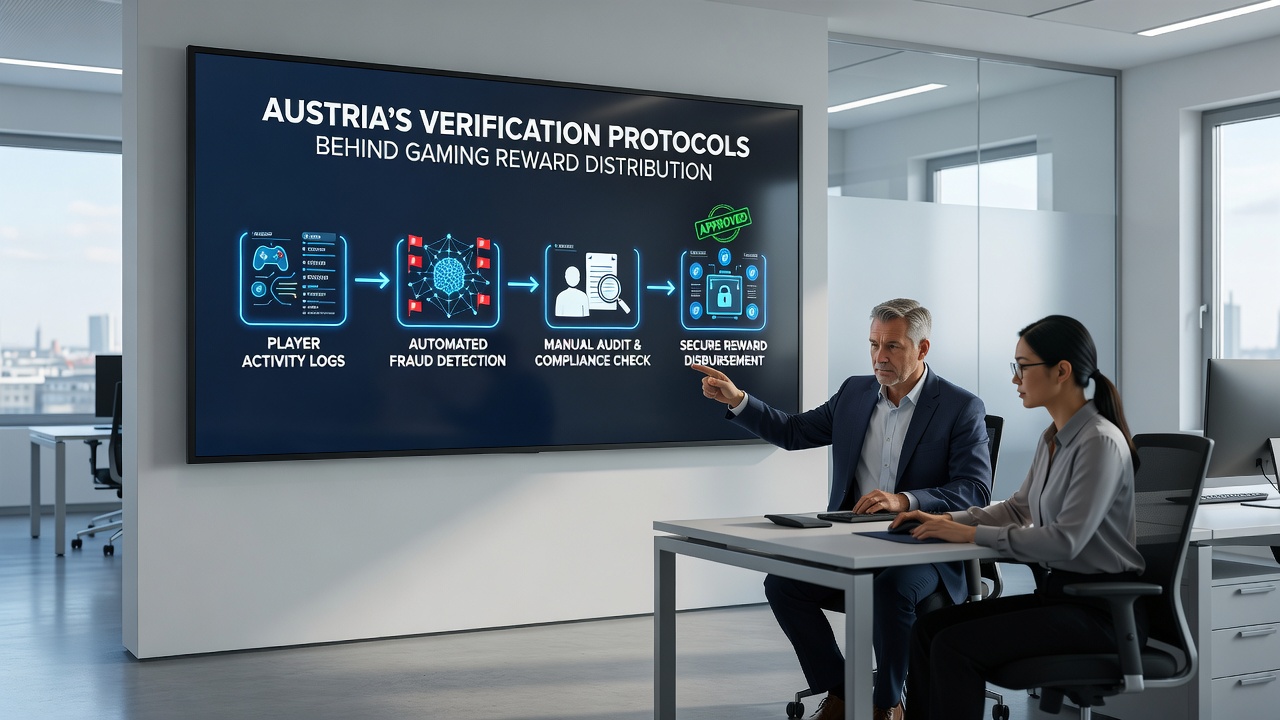
Blockchain elements appear in select verification chains to create immutable logs of reward distributions, and this method provides transparent trails for audits without exposing personal information. Observers note that integration with third-party services from providers like IDnow or Onfido streamlines the process for operators, while still meeting Austria's strict data protection requirements. But here's the thing: even with automation, players retain the right to request manual reviews if automated systems reject their submissions.
Regulatory Oversight and Compliance Reporting
The Austrian regulatory framework demands monthly reports from licensed operators detailing verification success rates and any detected violations. These submissions feed into broader analyses conducted by the Ministry of Finance, which publishes aggregate statistics on reward distribution patterns. External audits from independent firms supplement internal checks, and findings from these reviews influence license renewals for platforms operating in the market.
Links to broader European standards appear through coordination with the European Commission, as seen in EU guidelines on online gambling verification, which Austria incorporates into its national rules. Another perspective comes from Canadian regulatory models, where the Alcohol and Gaming Commission of Ontario shares best practices on digital identity checks that Austrian authorities have referenced in policy discussions. Figures reveal that compliance rates exceed 95 percent across major operators, reflecting consistent application of these protocols.
Impact on Player Experience and Platform Operations
Players encounter verification prompts at account creation and again before reward claims, and this dual-layer approach minimizes delays once initial setup completes. Data patterns from 2025 show average verification times under two minutes for standard submissions, while complex cases extend to 48 hours pending additional documentation. Operators report that streamlined processes correlate with higher engagement in regulated reward programs, though exact causation remains under study by research institutions.
Training programs for platform staff emphasize handling verification exceptions, and these initiatives draw from case studies where incomplete submissions led to temporary reward suspensions. Those who've examined the outcomes note that transparent communication about verification requirements reduces player frustration and supports sustained participation in gaming activities.
Conclusion
Austria's verification protocols continue to evolve with technological advances and regulatory alignments, ensuring that gaming reward distributions maintain integrity across the sector. Ongoing developments scheduled for late 2026 will likely introduce further refinements to authentication tools, building on existing frameworks without disrupting established player pathways. These systems collectively support fair access while adhering to national and international standards.