Austria's Shifting Player Profiles in Regulated Reward Systems
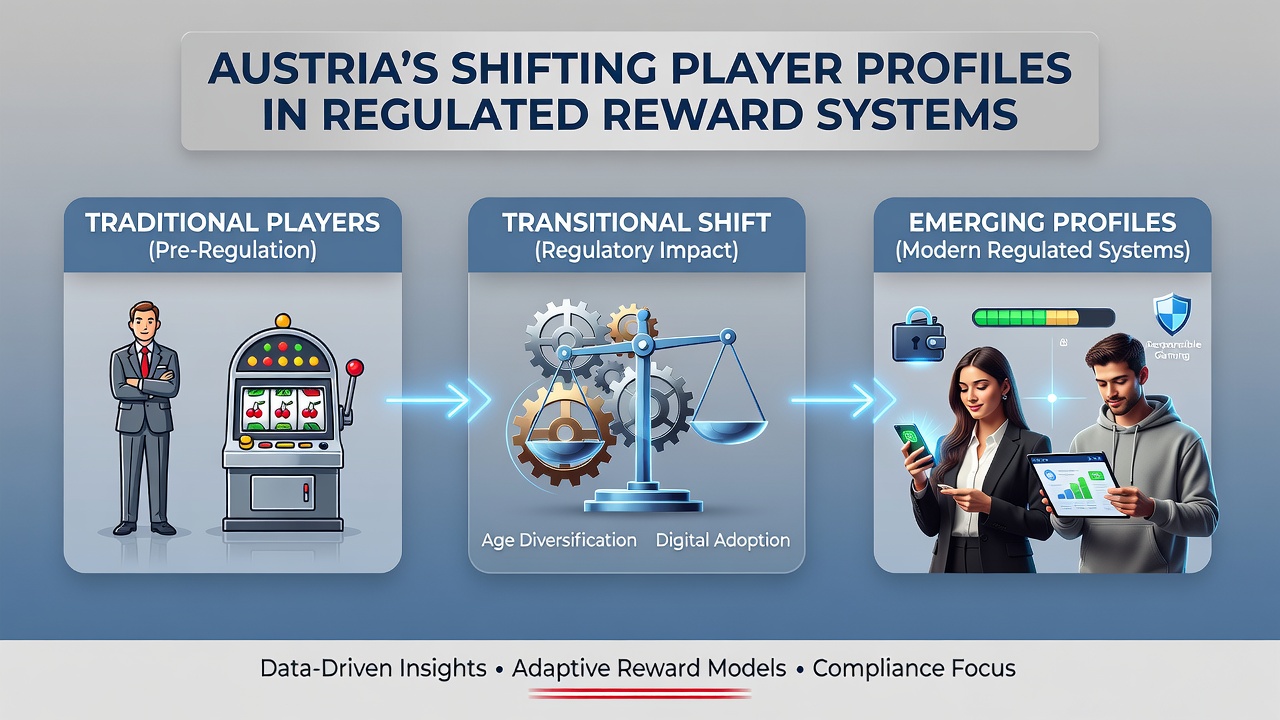
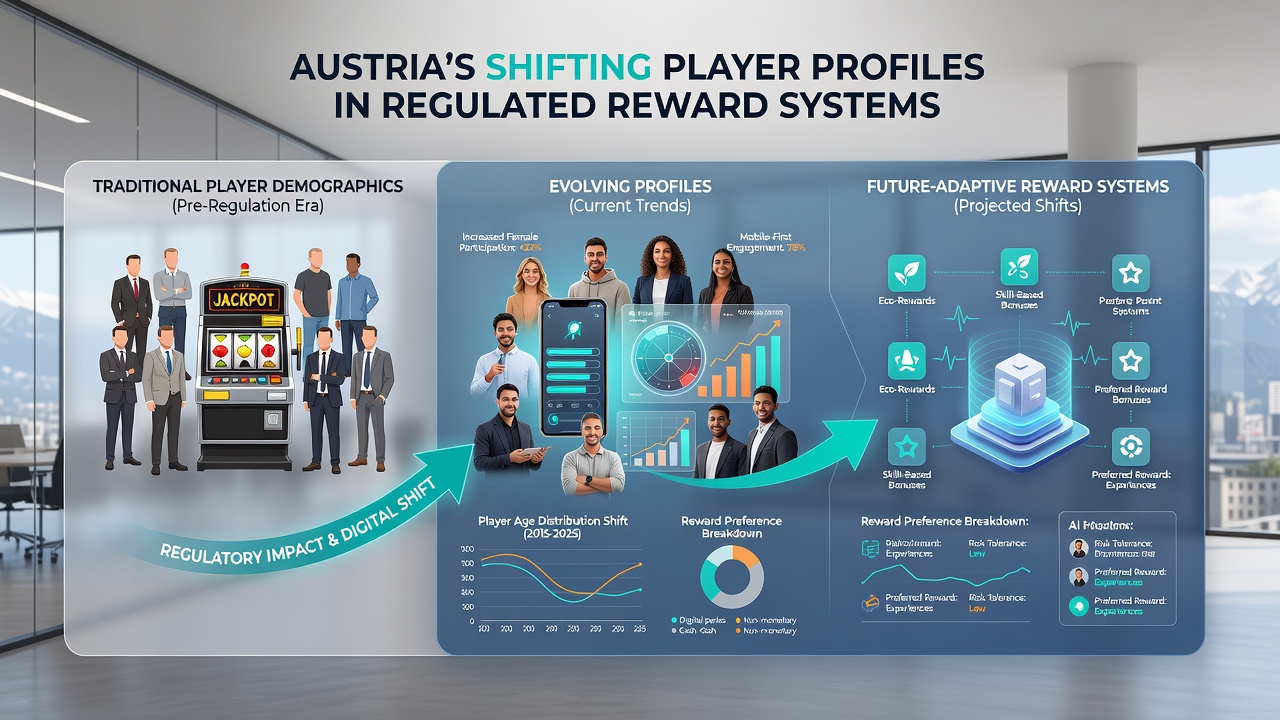
Player profiles in Austria's regulated reward systems have undergone measurable changes over recent years as participation patterns evolve across different age groups and engagement channels. Data from national tracking initiatives show a gradual increase in participation among users aged 25 to 34 while older cohorts maintain steady but proportionally smaller shares of overall activity. These shifts coincide with broader adoption of digital platforms that deliver bonuses and promotions through mobile interfaces rather than traditional retail locations.
Regulatory updates implemented in prior periods established clearer frameworks for reward distribution which in turn encouraged operators to refine targeting strategies. According to figures compiled by the European Gaming and Betting Association, Austria recorded a 12 percent rise in registered accounts tied to regulated reward programs between 2023 and 2025, with mobile-first users accounting for most of the growth. Researchers tracking these trends note that reward structures emphasizing smaller, frequent incentives now attract a wider segment of the population compared to earlier models focused on large jackpot-style offers.
Demographic Transitions in Participation Data
Breakdowns by region reveal that urban centers such as Vienna and Graz report higher proportions of younger participants engaging with reward systems that combine casino-style games and sports betting promotions. Rural areas continue to show stronger representation from the 45-plus age bracket though overall volumes remain lower. Studies conducted by academic teams at the University of Melbourne highlight parallel patterns in comparable European markets where digital access correlates with expanded reach among previously underrepresented groups.
Gender distribution has also adjusted modestly with female participation climbing from an estimated 28 percent of total accounts in 2022 to 34 percent by mid-2025. Observers attribute part of this movement to reward offerings that include personalized cashback mechanisms and tiered loyalty structures rather than purely chance-based bonuses. These features align with preferences documented in surveys distributed through licensed Austrian platforms.
Behavioral Patterns and Reward Preferences
Engagement metrics indicate that users increasingly interact with reward systems through subscription-style models that deliver weekly or monthly incentives instead of one-off sign-up bonuses. This approach appears in data collected by multiple operators who report higher retention rates when rewards accumulate gradually over time. A separate analysis released by the Australian Institute of Criminology in 2025 documented similar preferences among regulated markets in the Asia-Pacific region, suggesting a cross-jurisdictional trend toward sustained engagement mechanisms.
Time-of-day activity logs further illustrate how profiles have diversified with peak mobile usage shifting toward evening hours on weekdays while weekend patterns remain more evenly spread. Those monitoring these systems point out that reward triggers tied to specific session lengths or deposit frequencies now influence behavior more noticeably than in earlier regulatory periods.
Regulatory Milestones and Their Influence
Adjustments to licensing conditions scheduled for implementation in September 2026 are expected to introduce enhanced reporting requirements around reward allocation and player segmentation. These forthcoming rules build upon existing transparency measures and will require operators to provide anonymized data sets that track profile evolution more granularly. Preparatory work already underway includes updates to customer verification processes that accommodate the growing share of users accessing services exclusively through digital channels.
Industry reports indicate that operators have begun testing segmented reward tiers designed to match observed profile differences, such as shorter bonus validity windows for younger cohorts and extended play requirements for those preferring longer sessions. These adaptations respond directly to usage statistics gathered since the last major regulatory review.
Cross-Market Comparisons and Emerging Indicators
Comparative data from other regulated European jurisdictions show Austria's profile shifts occurring at a moderate pace relative to faster-moving markets in Scandinavia. Factors such as language localization of promotional materials and integration with local payment methods continue to shape participation rates among distinct demographic slices. Research papers published through the European Commission's gambling policy portal emphasize the value of consistent data standards when comparing profile movements across borders.
Payment method preferences have also diversified with e-wallet adoption rising alongside traditional bank transfers. This change aligns with broader digital payment trends observed in national statistics and supports more seamless reward redemption processes for users who engage across multiple device types.
Conclusion
Profile data collected through Austria's regulated reward systems continue to reflect measurable transitions in age distribution, channel preference, and incentive response patterns. Scheduled regulatory developments in September 2026 will likely accelerate the availability of detailed segmentation insights while operators adjust reward structures to match documented user behaviors. Ongoing monitoring by both government bodies and independent research organizations will provide further clarity on how these profiles develop in subsequent periods.