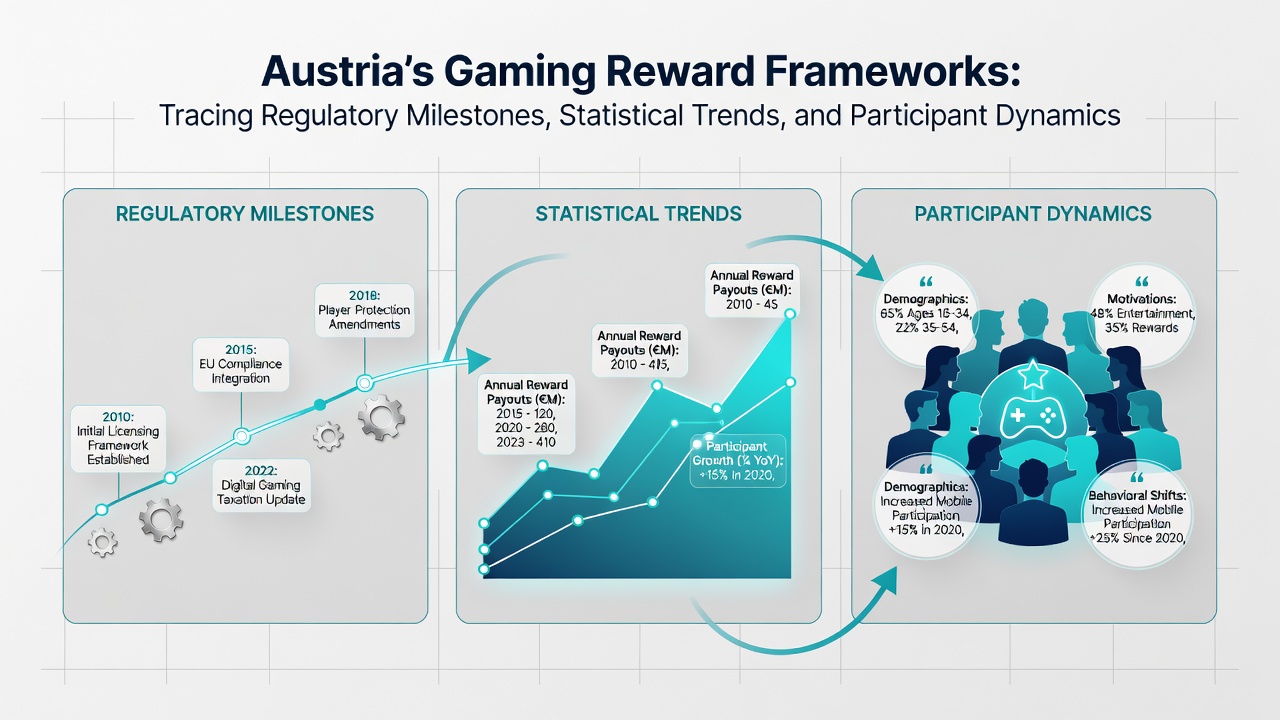
Austria's Journey Through Gaming Reward Regulations: Key Events, Data Patterns, and Engagement Trends
Regulatory structures around gaming rewards in Austria have developed through a series of legislative adjustments that began in the early 2000s and continued with updates tied to European Union directives, while data from official records reveals shifts in participation numbers and operator compliance rates, and observers note changes in how players interact with reward systems over time.
Early Legislative Foundations and Subsequent Changes
Austria established core rules for gaming activities through the Glücksspielgesetz in 1989, yet significant revisions occurred in 2010 when authorities introduced stricter licensing requirements for online platforms that offered reward mechanisms, and these measures aimed to align national practices with broader EU standards on consumer protection and market access. Further modifications followed in 2015 when amendments addressed advertising restrictions and tax obligations on reward distributions, whereas 2021 saw teh integration of digital verification processes that affected how operators tracked participant eligibility for various incentive programs.
Researchers at institutions across the EU have documented these steps as responses to technological advances in online gaming, and data compiled by the Austrian Federal Ministry of Finance indicates that licensed operators rose from 12 in 2010 to 28 by 2023, while compliance audits increased proportionally during the same period.
Statistical Patterns in Reward Distribution and Market Activity
Figures from regulatory reports show that total gaming revenue subject to reward frameworks grew steadily between 2015 and 2024, reaching approximately 1.2 billion euros in the most recent year with complete data, and breakdowns by category reveal that sports betting rewards accounted for 35 percent of that total whereas casino-style incentives represented 48 percent. Participation metrics collected through operator submissions indicate an average of 450,000 active accounts per quarter in 2024, up from 320,000 in 2018, although monthly active users fluctuated with seasonal events such as major sports tournaments.
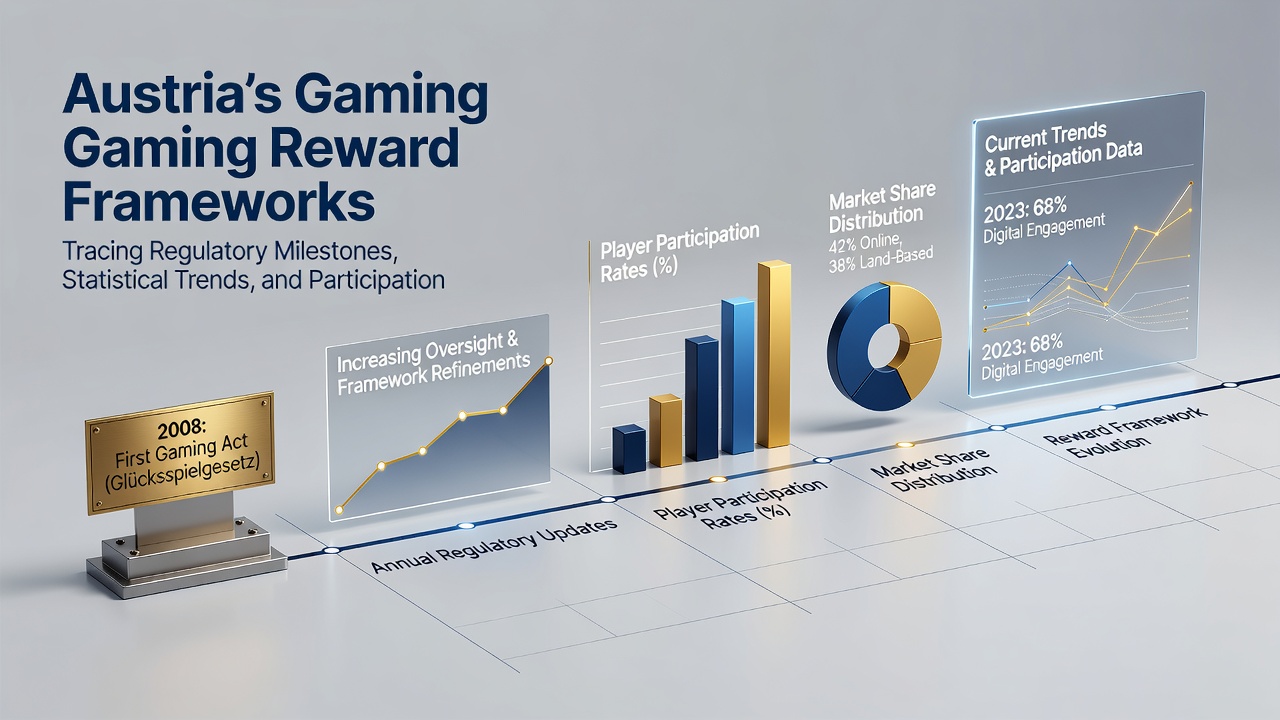
Analyses from academic sources, including studies coordinated by the University of Vienna's economics department, highlight that reward redemption rates averaged 62 percent in 2023, and these rates correlated with clearer disclosure rules implemented after 2018. External comparisons appear in reports from the Canadian Gaming Association, which noted similar growth patterns in regulated markets during overlapping years, while projections shared by EU monitoring bodies suggest continued expansion through 2026 when new reporting standards may take effect in September.
Participant Behaviors and Demographic Shifts
Surveys conducted by independent research firms reveal that individuals aged 25 to 44 represent the largest segment engaging with reward structures, comprising 58 percent of registered users according to aggregated operator data, and these participants tend to favor loyalty-based incentives over one-time sign-up offers. Geographic distributions show higher activity in urban centers such as Vienna and Graz, where internet penetration supports frequent interactions, whereas rural regions display lower but steadily increasing engagement levels since mobile access improved after 2020.
Those monitoring industry reports observe that repeat participation rates climbed to 74 percent in 2024, and this rise coincides with enhanced responsible gaming tools mandated under updated regulations, while average session durations extended by 12 percent compared with 2019 baselines. Cross-border influences appear limited due to licensing barriers, yet data indicates modest inflows from neighboring countries when operators advertise compliant international events.
Emerging Developments and Forward Outlook
Authorities plan additional framework refinements that could address emerging technologies like virtual reality integrations, and these adjustments may include revised tax treatments for reward values effective around September 2026 according to preliminary ministry announcements. Industry associations such as the European Gaming and Betting Association have contributed position papers that emphasize data transparency requirements, and similar themes surface in Australian regulatory reviews that stress uniform reporting across jurisdictions.
Evidence from longitudinal studies suggests participant dynamics will continue evolving with greater emphasis on personalized reward algorithms, although exact outcomes depend on final legislative texts still under review. Current statistics provide a baseline for tracking these transitions as new rules roll out.
Conclusion
Overall records demonstrate consistent regulatory progress in Austria's gaming reward sector alongside measurable increases in participation and refined statistical tracking, and these elements together illustrate a system adapting to technological and market pressures while maintaining oversight through established licensing channels.